
Understanding the Mold Remediation Process: What Property Owners Need to Know

Discovering mold in your home or business can be stressful. Whether it develops after a water loss, hidden leak, flooding event, or long-term moisture issue, mold growth should be addressed promptly to help protect your property and indoor environment.
Understanding the mold remediation process can help you make informed decisions when mold is discovered. Knowing what to expect—and when to call a professional—can make the recovery process smoother and more effective.
Why Mold Growth Requires Prompt Attention
Mold thrives in damp environments and can begin growing within 24 to 48 hours when moisture is present. Once mold develops, it can spread to building materials, contents, and hidden areas of a structure.
The longer moisture and mold issues remain unaddressed, the greater the potential for property damage. Mold can affect drywall, insulation, flooring, wood materials, and other porous surfaces. It may also contribute to unpleasant odors and poor indoor environmental conditions.
The most important factor in any mold remediation project is identifying and correcting the source of moisture. Without addressing the underlying moisture issue, mold growth is likely to return.
Common Signs of a Mold Problem
Mold is not always visible. In many cases, it develops behind walls, beneath flooring, inside crawl spaces, or around HVAC systems.
Common indicators of mold or excessive moisture include:
Visible mold growth on surfaces
Musty or earthy odors
Water stains or discoloration on walls and ceilings
Peeling paint or bubbling drywall
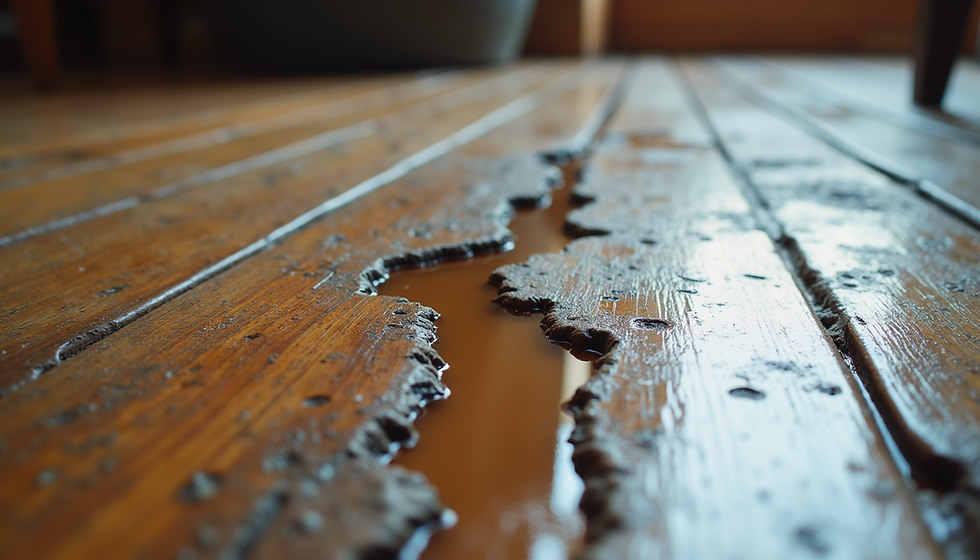
Warped flooring or building materials
Condensation on windows or walls
Previous flooding or water damage
Ongoing plumbing or roof leaks
If you notice any of these warning signs, it may be time to schedule a professional inspection.
What to Expect During the Mold Remediation Process
Professional mold remediation involves more than simply cleaning visible mold. The process focuses on identifying moisture sources, controlling contamination, removing affected materials when necessary, and restoring normal environmental conditions.
1. Inspection and Moisture Assessment
The first step is a thorough inspection of the affected property. Restoration professionals evaluate visible mold growth, identify moisture sources, and assess the extent of damage.
Specialized equipment such as moisture meters and thermal imaging cameras may be used to locate hidden moisture and determine which materials have been affected.
2. Containment of Affected Areas
To help prevent mold spores from spreading during remediation, containment procedures are often established around affected areas.
Depending on the scope of the project, this may include:
Physical containment barriers
Sealed work areas
Negative air pressure systems
HEPA-filtered air filtration equipment
Proper containment helps protect unaffected areas of the property during remediation activities.
3. Removal of Unsalvageable Materials
Certain porous materials may need to be removed if they have been significantly affected by mold growth.
Materials commonly evaluated for removal include:
Drywall
Insulation
Ceiling tiles
Carpet and padding
Other porous building materials
The decision to remove materials depends on the extent of contamination and the ability to restore them safely.
4. Cleaning and Detailed Remediation
Once affected materials have been removed or isolated, remediation professionals perform detailed cleaning procedures.
This may include:
HEPA vacuuming
Surface cleaning
Removal of settled dust and debris
Cleaning of structural components
Application of appropriate antimicrobial products when necessary
The objective is to address mold contamination while helping restore the affected environment.
5. Drying and Moisture Control
Drying is one of the most important steps in preventing future mold growth.
Professional drying equipment may include:
Commercial dehumidifiers
Air movers
Moisture monitoring equipment
Restoration professionals track moisture levels throughout the process to help ensure materials have dried properly.
6. Restoration and Repairs
Once remediation is complete, any removed materials can be repaired or replaced.
Depending on the project, restoration services may include:
Drywall replacement
Flooring repairs
Painting
Reconstruction services
The goal is to return the property to a safe, clean, and functional condition.
When Should You Call a Professional?
While some minor surface mold issues may appear manageable, many mold problems involve hidden moisture or contamination that is not immediately visible.
Professional remediation is strongly recommended when:
Mold growth affects a large area
The source of moisture is unknown
HVAC systems are involved
Water damage has occurred recently
Mold repeatedly returns after cleaning
The property has experienced flooding
Hidden mold is suspected inside walls or ceilings
A professional assessment can help determine the most effective course of action and reduce the risk of further damage.
Preventing Mold Growth in the Future
The best way to prevent mold is to control moisture.
Property owners can help reduce future mold risks by:
Repairing leaks promptly
Maintaining proper ventilation
Using exhaust fans in bathrooms and kitchens
Managing indoor humidity levels
Cleaning and drying wet materials quickly
Maintaining gutters and drainage systems
Scheduling inspections after significant water damage events
Preventative maintenance is often the most effective defense against mold growth.
Moving Forward with Confidence
Mold issues can feel overwhelming, but you do not have to navigate them alone. Early action, professional guidance, and effective moisture control can help protect your property and reduce long-term damage.
At Covenant Restorations, we understand that every mold situation is unique. Our team is committed to providing expertise, clear communication, and compassionate service throughout the remediation process. From moisture assessment and containment to remediation and reconstruction, we help property owners take the right steps toward recovery and peace of mind.
If you suspect mold in your home or business, contact a qualified restoration professional to assess the situation and develop a plan tailored to your property’s needs.


Comments