
Emergency Mold Remediation Urgency: Act Fast to Protect Your Home
Why Fast Mold Remediation Matters After Water Damage
Mold can begin developing quickly after water damage. Whether caused by a leak, flood, storm, or plumbing issue, excess moisture creates the conditions mold needs to grow and spread. Acting quickly is one of the most important steps you can take to protect your property, your indoor air quality, and the people who live or work inside the building.
At Covenant Restorations, we understand how stressful water and mold damage can be. Our team is committed to responding with urgency, care, and professionalism to help stop further damage and guide you through the restoration process.
Understanding the Urgency of Mold Remediation
Mold thrives in damp environments. After water damage occurs, mold may begin growing within 24 to 48 hours if moisture is not properly addressed. Once mold develops, it can spread to walls, flooring, ceilings, contents, and hidden areas of the structure.
The longer moisture and mold are left untreated, the more difficult and costly the remediation process may become. Mold can damage building materials, create persistent odors, and contribute to poor indoor air quality.
Fast action helps limit the affected area, reduce secondary damage, and improve the chances of restoring materials safely and effectively.
Signs You May Need Mold Remediation
Mold is not always easy to see. In many cases, it may grow behind walls, under flooring, inside cabinets, or near HVAC components. Knowing the warning signs can help you respond quickly.
Common signs of mold or moisture concerns include:
Visible mold growth on walls, ceilings, floors, or contents
Musty or damp odors
Water stains, peeling paint, or bubbling drywall
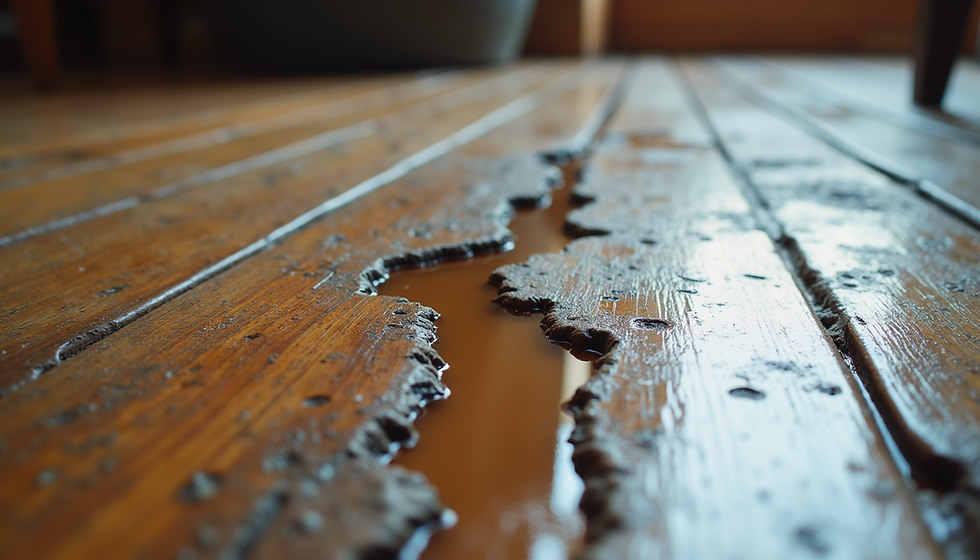
Warped flooring or soft building materials
Recent flooding, roof leaks, or plumbing leaks
Excess condensation on windows or walls
Allergy-like symptoms or respiratory irritation while inside the property
If you notice these signs, it is important to have the area inspected by a qualified restoration professional. Mold issues should be handled carefully to avoid spreading contamination to unaffected areas.
What to Do Immediately After Water Damage
Because moisture is the primary cause of mold growth, quick water mitigation is essential.
After water damage occurs:
Stop the source of water if it is safe to do so.
Avoid entering areas with standing water or electrical hazards.
Remove standing water when possible and safe.
Begin drying affected areas with proper ventilation and dehumidification.
Remove wet porous materials when necessary.
Do not disturb visible mold growth.
Contact a professional restoration company for inspection and guidance.
Professional drying equipment, moisture meters, and containment procedures help ensure the property is dried properly and safely.
Can I Clean Mold Myself?
Small areas of surface mold may sometimes be cleaned by a property owner when the affected area is limited and the source of moisture has been corrected. However, mold cleanup should always be approached with caution.
If the affected area is large, if mold is inside walls or HVAC systems, or if occupants have health concerns, professional remediation is recommended. Improper cleanup can spread mold spores and make the problem worse.
A qualified remediation team can determine the extent of the issue, establish containment, remove affected materials when needed, clean surfaces properly, and help prevent cross-contamination.
Why Professional Mold Remediation Matters
Mold remediation is more than wiping visible mold from a surface. A proper remediation process focuses on identifying the moisture source, containing the affected area, safely removing contaminated materials, cleaning impacted surfaces, and helping restore normal conditions.
Professional mold remediation may include:
Moisture inspection and damage assessment
Containment of affected areas
Air filtration using specialized equipment
Safe removal of contaminated materials
HEPA vacuuming and detailed cleaning
Application of appropriate antimicrobial treatments when needed
Structural drying and humidity control
Documentation for insurance or property records
Following industry-recognized procedures helps protect the property, reduce the risk of spreading contamination, and support a safer restoration process.
Preventing Mold After Remediation
Once mold has been addressed, prevention is key. Mold can return if moisture problems are not corrected.
To help prevent future mold growth:
Repair leaks as soon as they are discovered.
Keep indoor humidity under control.
Use exhaust fans in bathrooms, kitchens, and laundry areas.
Ensure proper drainage around the property.
Dry wet materials quickly after water damage.
Schedule inspections after major leaks, storms, or flooding.
Keep HVAC systems properly maintained.
Controlling moisture is the best way to reduce the risk of mold returning.
Moving Forward with Confidence
Mold damage can feel overwhelming, but quick action and the right restoration partner can make a major difference. The sooner moisture and mold concerns are addressed, the better the outcome is likely to be.
At Covenant Restorations, we believe restoration is about more than repairing property. It is about helping people feel safe, informed, and supported during a difficult time. Our team responds with urgency, communicates clearly, and follows professional restoration practices to help protect your home or business.
If you suspect mold after water damage, do not wait. Contact a trusted restoration professional to inspect the property, address the source of moisture, and begin the remediation process safely and effectively.


Comments