
Emergency Water Damage Restoration Tips to Protect Your Home
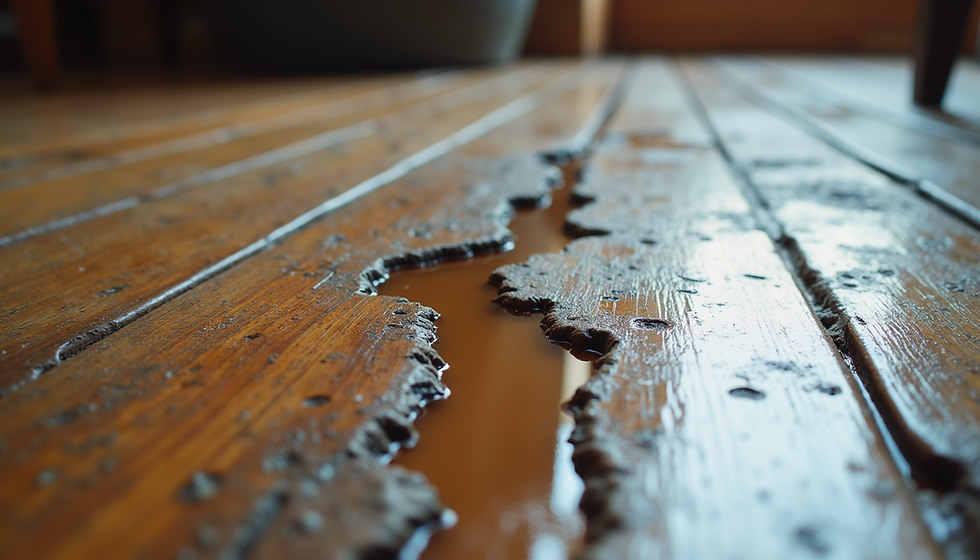
Water damage can happen without warning. A burst pipe, overflowing appliance, roof leak, or severe storm can quickly affect your home and belongings. When water enters your property, fast action is important to help reduce damage and protect your indoor environment.
Knowing what to do before professional help arrives can make a major difference. These emergency water damage restoration tips can help you respond safely while preparing your property for professional mitigation and drying.
Understanding Emergency Water Damage Restoration
The first priority during a water damage emergency is safety. If water is near electrical outlets, appliances, or your breaker panel, avoid entering the affected area until power can be safely disconnected.
If it is safe to do so, stop the source of the water. This may include shutting off the main water supply or stopping an overflowing appliance. Once the source is controlled, contact a professional water damage restoration company as soon as possible. Rapid response is critical because water can quickly spread into building materials and hidden areas.
While waiting for professionals to arrive, you can take a few safe steps to help reduce additional damage:
Remove excess water using towels or a wet vacuum if conditions are safe
Move valuable items, electronics, and important documents to a dry area
Increase air circulation with fans when electrical hazards are not present
Place aluminum foil or wood blocks under furniture legs to help protect surfaces
Avoid walking on wet carpeting when possible
It is important to understand that household fans alone are usually not enough to fully dry structural materials. Professional drying equipment and moisture monitoring are often necessary to help prevent long-term damage.
Why Fast Professional Drying Matters
Water can move quickly behind walls, under flooring, and into insulation and structural materials. Even when surfaces appear dry, moisture may still be trapped inside the building.
Professional restoration companies use specialized equipment and inspection tools to locate and monitor hidden moisture, including:
Moisture meters
Thermal imaging cameras
Commercial air movers
Low-grain refrigerant or desiccant dehumidifiers
Without proper drying, water damage may lead to:
Material deterioration
Structural weakening
Odors
Microbial growth
Damage to flooring, drywall, and cabinetry
According to industry standards, the restoration process should include inspection, water extraction, controlled drying, monitoring, and cleaning of affected materials.
Understanding Different Types of Water Damage
Not all water damage is the same. The source of the water affects how the damage should be handled.
Water is generally classified into categories based on contamination level:
Category 1: Clean water from sources like broken supply lines or sink overflows
Category 2: Water containing contaminants that may cause discomfort or illness
Category 3: Grossly contaminated water such as sewage backups or floodwater
If the water may be contaminated, avoid direct contact and do not attempt cleanup without proper protective equipment. Floodwater and sewage-related losses should always be handled by trained professionals.
Is Professional Water Damage Restoration Worth It?
Professional restoration services are often essential after significant water damage. While minor spills may be manageable, larger losses usually require specialized drying and cleaning procedures.
Professional mitigation helps:
Identify hidden moisture
Reduce the risk of secondary damage
Properly dry structural materials
Remove unsalvageable materials when necessary
Document conditions for insurance purposes
Improper or incomplete drying can result in more extensive repairs later. A trained restoration company follows established industry procedures to help restore the property safely and effectively.
How to Choose the Right Restoration Company
Choosing the right restoration company is an important step during an emergency. Look for a provider that offers rapid response and trained technicians.
When comparing companies, consider the following:
IICRC-certified technicians
24/7 emergency availability
Experience with water mitigation and structural drying
Clear communication throughout the process
Detailed documentation for insurance claims
Positive customer reviews and references
A reputable restoration company should explain the mitigation process, answer questions clearly, and provide a written scope of work.
Tips to Help Prevent Future Water Damage
Preventive maintenance can help reduce the risk of future water losses. Some helpful steps include:
Inspect roofing and gutters regularly
Repair plumbing leaks promptly
Replace aging supply lines and hoses
Maintain appliances according to manufacturer recommendations
Seal foundation cracks where moisture intrusion may occur
Install a sump pump in flood-prone basements
Routine inspections can help identify issues before they become major restoration problems.
When to Call Emergency Water Damage Professionals
You should contact a professional restoration company immediately if you notice:
Standing water
Water affecting ceilings or walls
Flooding from storms or sewage backups
Wet carpeting or flooring over large areas
Signs of microbial growth or strong odors
Water near electrical systems
Sagging ceilings or structural concerns
The longer water remains in building materials, the greater the chance of secondary damage. Quick professional response can help reduce repair costs and restoration time.
Protect Your Home with Fast Action
Water damage emergencies can feel overwhelming, but taking quick and informed action can help protect your property. Prioritizing safety, stopping the source of water, and contacting qualified professionals are the most important first steps.
By following these emergency water damage restoration tips and working with a trusted restoration company, you can help minimize damage and begin the recovery process with confidence.


Comments