
Fire Damage Claim Guidance: A Complete Guide

Fire Damage Insurance Claims: What to Expect After a Fire
Experiencing fire damage to your property can be overwhelming. In addition to dealing with visible damage, you may also be facing smoke residue, water damage, damaged belongings, temporary housing needs, and an insurance claim.
Understanding the process can help you stay organized and make informed decisions. This guide explains the basic steps involved in a fire damage insurance claim and how professional restoration services can support the recovery process.
Understanding the Fire Damage Insurance Claim Process
After a fire, one of the first steps is to review your insurance policy and notify your insurance company.
Most homeowners insurance policies provide some form of fire coverage, but the amount and type of coverage depend on the specific policy, including its limits, deductibles, exclusions, and conditions.
Coverage may include:
Damage to the home or structure
Damage to certain other structures on the property
Smoke and soot damage
Damage to personal belongings
Loss-of-use or additional living expenses
Certain emergency mitigation and restoration costs
Because every policy is different, it is important to review your coverage and ask your insurance company or agent about anything you do not understand.
Step 1: Make Sure the Property Is Safe
Do not enter a fire-damaged property until emergency officials or other qualified professionals have determined that it is safe to do so.
Fire can weaken structural components and create hazards that may not be immediately visible, including damaged electrical systems, unstable ceilings, broken glass, and contaminated debris.
Your safety should come before documentation, cleanup, or repairs.
Step 2: Notify Your Insurance Company
Contact your insurance company as soon as reasonably possible to report the fire and begin the claim process.
Be prepared to provide basic information about:
When the fire occurred
The areas of the property that were affected
Whether emergency services responded
Whether the property is currently habitable
Any immediate steps taken to protect the property
Your insurance company may assign an adjuster to inspect the damage and review the claim.
Step 3: Document the Damage
Thorough documentation can be important throughout the insurance and restoration process.
When it is safe to do so, take photographs and videos of affected areas before cleanup or repairs begin.
Document:
Fire and heat damage
Smoke and soot residue
Water damage from firefighting efforts
Damaged furniture and personal belongings
Structural damage
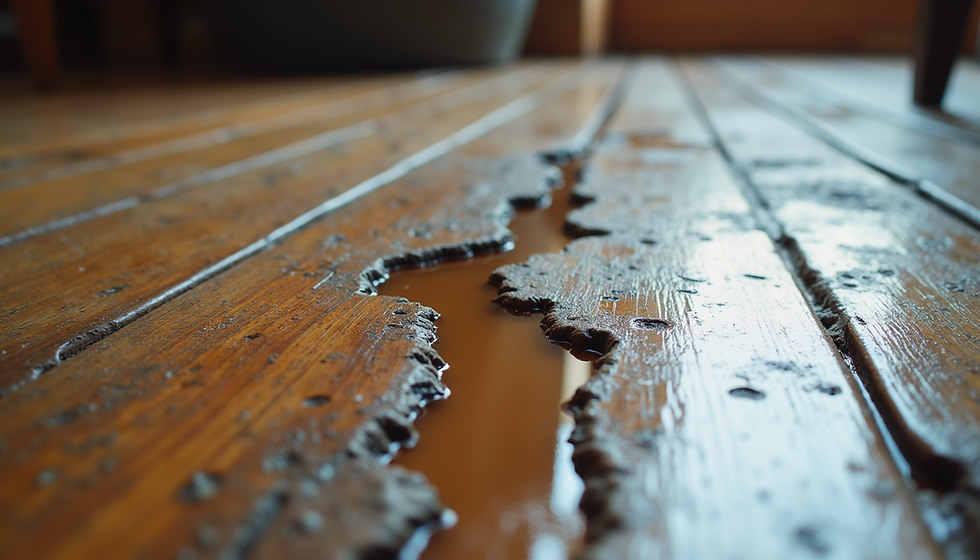
Damaged flooring, walls, ceilings, and fixtures
It can also be helpful to create an inventory of damaged personal property. Include descriptions, approximate purchase dates, values, receipts, photographs, or other proof of ownership when available.
Avoid discarding damaged items until they have been properly documented and you have confirmed whether they need to be preserved for inspection.
Step 4: Protect the Property From Additional Damage
After a fire, the property may be exposed to weather, unauthorized entry, or additional water damage.
Reasonable emergency measures may be needed to protect the structure, such as:
Boarding up damaged windows or doors
Installing temporary roof protection
Extracting standing water
Beginning structural drying
Securing unsafe areas
When possible, document the conditions before emergency work begins and keep invoices, receipts, photographs, and service records.
Professional restoration contractors can assist with emergency stabilization while preserving important documentation of the loss.
Step 5: Coordinate the Insurance Inspection
Your insurance company may send an adjuster to inspect the property and evaluate the reported damage.
Keep your documentation available, including:
Photographs and videos
Personal property inventories
Emergency service invoices
Restoration estimates
Temporary living expense receipts
Other records related to the loss
Your restoration contractor may also provide information about the observed conditions and proposed restoration scope.
The restoration contractor evaluates the damage and determines appropriate restoration procedures. The insurance company determines coverage under the terms of the policy.
Step 6: Begin Professional Fire and Smoke Damage Restoration
Fire restoration involves more than repairing visible damage.
Professional restoration companies may follow recognized industry standards and best practices, including the ANSI/IICRC S700 Standard for Professional Fire and Smoke Damage Restoration.
Depending on the extent of the loss, the restoration process may include:
Inspection and Assessment
Professionals inspect the property to evaluate fire, smoke, soot, heat, and water-related damage.
Affected materials and fire residues are evaluated so appropriate cleaning and restoration procedures can be selected.
Emergency Stabilization
Temporary measures may be taken to protect the property from additional damage, including board-up services, roof tarping, water extraction, and drying.
Smoke and Soot Removal
Different fire residues may require different cleaning methods.
Restoration professionals select cleaning techniques based on the affected material, type of residue, and severity of contamination.
Water Extraction and Drying
Water used during firefighting can affect walls, flooring, insulation, furniture, and other materials.
Professional water extraction, moisture monitoring, air movement, and dehumidification may be necessary to dry affected areas properly.
Odor Control
Smoke odors can remain in porous materials even after visible soot has been removed.
Professional deodorization methods are selected based on the source, severity, and location of the odor.
Contents Restoration
Some personal belongings may be cleaned and restored rather than replaced.
Restoration professionals may evaluate furniture, electronics, textiles, documents, and other contents to determine whether restoration is practical.
Repairs and Reconstruction
After cleaning, drying, and restoration work is complete, damaged materials may need to be repaired or replaced.
This can include drywall, flooring, cabinetry, roofing, electrical components, finishes, and other structural materials.
Step 7: Keep Track of Additional Living Expenses
If a covered fire makes your home temporarily uninhabitable, your policy may include Loss of Use or Additional Living Expense coverage.
Depending on your policy, this may help with certain increased living expenses, such as:
Temporary lodging
Increased meal costs
Laundry expenses
Additional transportation costs
Other necessary expenses related to temporary displacement
Coverage limits and requirements vary, so keep all receipts and confirm what is covered with your insurance company.
Step 8: Review Estimates, Coverage Decisions, and Payments
Fire insurance claims may involve several estimates, inspections, and payments rather than one single settlement.
For example, the insurer may evaluate:
Structural damage
Personal property
Emergency services
Restoration work
Additional living expenses
Review all estimates and claim documents carefully.
If something is unclear, ask the insurance adjuster to explain how the amount was calculated and which policy provisions apply.
If you disagree with a coverage decision or estimate, you may want to speak with your insurance company, agent, state insurance department, or another appropriately licensed professional.
Common Challenges With Fire Damage Claims
Fire claims can be complex, especially when the damage is extensive.
Common challenges may include:
Incomplete Documentation
Missing photographs, inventories, receipts, or estimates can make it more difficult to establish the extent of the loss.
Differences in Repair Estimates
The insurance estimate and contractor estimate may not always match. Differences can occur because of labor costs, material costs, repair methods, hidden damage, or scope-of-work differences.
Hidden Damage
Smoke, soot, water, and heat damage can sometimes extend beyond the areas that appear visibly affected.
A professional inspection can help identify conditions that may otherwise be overlooked.
Policy Limits and Exclusions
Coverage depends on the specific terms of the insurance policy.
Always review your policy and ask questions when you are uncertain about coverage.
How a Restoration Company Can Help
A qualified fire and smoke damage restoration company can help manage the physical recovery of the property.
Restoration professionals may assist with:
Inspecting and documenting affected areas
Emergency board-up and temporary protection
Water extraction and structural drying
Smoke and soot removal
Odor control
Cleaning salvageable contents
Preparing restoration estimates
Providing photographs and documentation
Repairing or reconstructing damaged areas
With the property owner's authorization, the restoration contractor may also communicate with the insurance adjuster regarding observed damage, estimates, documentation, and the proposed restoration scope.
Clear documentation and communication can help the property owner, contractor, and insurer better understand the work required.
Moving Forward After a Fire
Recovering after a fire takes time, but staying organized can make the process easier to manage.
Remember to:
Put safety first.
Notify your insurance company promptly.
Photograph and document the damage.
Keep damaged items until they are properly documented.
Protect the property from additional damage.
Save receipts and invoices.
Work with qualified restoration professionals.
Keep copies of claim documents and estimates.
Ask questions whenever something is unclear.
Fire damage restoration is a detailed process, but you do not have to navigate it without professional support.
An experienced restoration company can help assess the damage, protect the property, remove fire and smoke residues, dry affected materials, restore salvageable contents, and complete necessary repairs.
Working with professionals who use recognized industry practices, including guidance from the ANSI/IICRC S700 Standard for Professional Fire and Smoke Damage Restoration, can help ensure the restoration process is thorough, documented, and appropriate for the conditions of the loss.
Important Insurance Notice
Insurance policies, coverage, deductibles, limits, and claim procedures vary. This information is provided for general educational purposes only and is not legal or insurance advice. Contact your insurance company, agent, or another appropriately licensed professional for questions about your specific policy or claim.


Comments