
Step-by-Step Fire Damage Restoration Steps
Fire Damage Restoration Process: What to Expect After a Fire
Experiencing a fire at your home or business can be overwhelming. Beyond the visible damage, smoke residues, soot, water from firefighting efforts, and lingering odors can continue to affect your property if they are not addressed properly. Understanding the fire damage restoration process can help you know what to expect and make informed decisions during recovery.
Professional restoration companies follow industry best practices, including the ANSI/IICRC S700 Standard for Professional Fire and Smoke Damage Restoration, to safely evaluate, clean, restore, and return a property to a pre-loss condition whenever practical.
The Fire Damage Restoration Process
The restoration process typically includes:
Emergency Contact and Initial Inspection
Damage Assessment and Documentation
Emergency Stabilization (Board-Up and Roof Tarping)
Water Extraction and Structural Drying (if needed)
Smoke, Soot, and Residue Removal
Cleaning, Decontamination, and Odor Removal
Contents Cleaning and Restoration
Structural Repairs and Reconstruction
Each step builds on the previous one. Skipping or rushing any phase can result in additional damage, persistent odors, corrosion, or microbial growth.
Step 1: Emergency Contact, Inspection, and Damage Assessment
The first priority is a comprehensive inspection of the property. Restoration professionals identify all fire-related damage, including:
Structural damage
Smoke and soot contamination
Water damage from firefighting efforts
Heat damage
Damage to contents and personal belongings
Safety hazards
The inspection helps determine the scope of work and develop a restoration plan. Documentation may also assist with the insurance claims process.
Step 2: Emergency Stabilization
Fire-damaged properties often have broken windows, compromised doors, or roof openings that leave the structure vulnerable.
Emergency stabilization may include:
Boarding up broken windows and doors
Installing temporary roof tarps
Securing unsafe areas
Protecting unaffected portions of the property from additional damage
These measures help prevent weather intrusion, vandalism, and further property loss.
Step 3: Water Extraction and Structural Drying
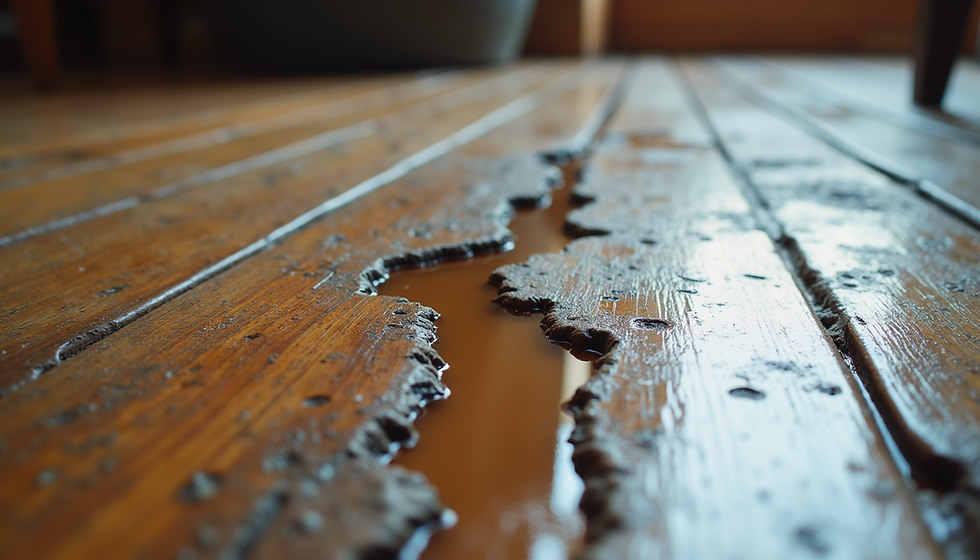
Many fires require significant amounts of water to extinguish them. Standing water and elevated moisture levels must be addressed quickly.
This stage typically includes:
Water extraction
Moisture mapping and monitoring
Structural drying using commercial air movers and dehumidifiers
Ongoing moisture measurements until drying goals are achieved
Prompt drying helps reduce the potential for secondary damage, including microbial growth.
Step 4: Smoke, Soot, and Fire Residue Removal
Fire leaves behind residues that vary depending on the materials burned and the fire conditions. Different types of soot require different cleaning methods.
Restoration professionals evaluate the type of residue before selecting the appropriate cleaning process. Techniques may include:
HEPA vacuuming
Dry cleaning sponges
Wet cleaning methods
Specialized chemical cleaning
Abrasive cleaning when appropriate for specific materials
Improper cleaning techniques can spread residues or permanently damage surfaces, making professional assessment essential.
Step 5: Cleaning, Decontamination, and Odor Removal
After residues have been removed, affected areas are cleaned and deodorized.
This process may include:
Cleaning structural surfaces
Cleaning and restoring salvageable contents
HVAC system cleaning when necessary
Odor removal using industry-approved techniques such as thermal fogging, hydroxyl generators, or ozone treatment when appropriate and under controlled conditions
The deodorization method is selected based on the source and severity of the odor.
Step 6: Contents Restoration
Many personal belongings can often be restored rather than replaced.
Depending on the condition of the items, restoration may include:
Electronics cleaning
Furniture restoration
Textile and clothing cleaning
Document and photograph recovery
Pack-out services for off-site cleaning and storage
Each item is evaluated individually to determine whether restoration is practical and cost-effective.
Step 7: Structural Repairs and Reconstruction
Once cleaning and drying are complete, permanent repairs can begin.
This phase may include:
Drywall replacement
Flooring installation
Painting and finishing
Cabinet replacement
Electrical and plumbing repairs
Roofing repairs
Complete reconstruction of severely damaged areas
The goal is to restore the property safely while meeting applicable building codes.
How Long Does Fire Damage Restoration Take?
Every fire loss is different. The timeline depends on several factors, including:
Size of the affected area
Severity of fire, smoke, and soot damage
Amount of water used during fire suppression
Structural repairs required
Availability of materials
Insurance approval timelines
Minor restoration projects may take several days, while major structural losses may require several weeks or months.
Moving Forward After a Fire
Recovering after a fire can be stressful, but following a structured restoration process helps ensure your property is cleaned, restored, and repaired safely.
To help protect your property:
Contact a qualified restoration contractor as soon as possible.
Secure the property to prevent additional damage.
Allow professionals to inspect all affected areas before cleanup begins.
Address water damage immediately.
Ensure smoke residues and odors are properly removed.
Complete all necessary repairs before reoccupying the property.
Working with an experienced restoration company that follows the ANSI/IICRC S700 Standard helps ensure restoration decisions are based on recognized industry best practices and that your property is returned to a safe, functional condition whenever possible.


Comments