
Steps to Effective Water Damage Restoration
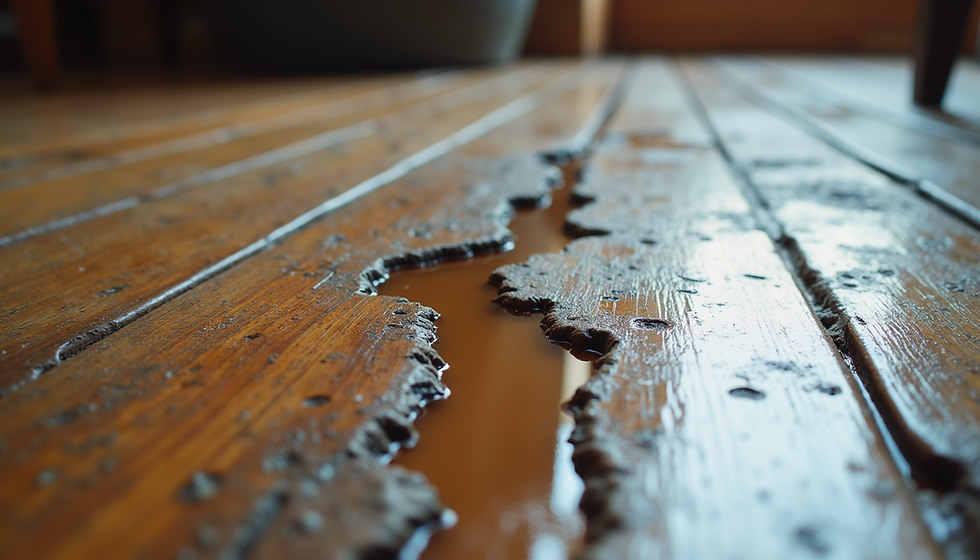
Water damage can strike without warning. It can come from a burst pipe, heavy rain, or a leaking appliance. When it happens, quick and effective action is crucial. I want to share clear steps to help you handle water damage and restore your property safely and efficiently.
Understanding Effective Water Restoration
The first step is understanding what effective water restoration means. It is not just about drying out the water. It involves a thorough process to prevent further damage and health risks. You need to act fast to stop water from spreading. Then, remove the water and dry the area completely. Finally, repair and restore your property to its original condition.
Effective water restoration requires the right tools and knowledge. It is a step-by-step process that includes assessment, water removal, drying, cleaning, and repair. Each step is important. Skipping any can lead to mold growth, structural damage, or health problems.

Initial Assessment and Safety Measures
When you discover water damage, your first task is to assess the situation. Look for the source of the water. Is it a broken pipe, a leaking roof, or flooding? Identifying the source helps you stop more water from entering.
Next, check the extent of the damage. Look at walls, floors, and furniture. Take photos for insurance purposes. Safety is key. Turn off electricity in the affected area to avoid shocks. Wear protective gear like gloves and boots if you enter the wet area.
If the water is from a contaminated source, such as sewage or other known contaminants, avoid contact. Call professionals immediately. Contaminated water can cause serious health risks.
How do you restore water damage?
Restoring water damage involves several clear steps. Here is what I recommend:
Stop the Water Source
Fix the leak or stop the flooding. This may mean shutting off the main water valve or calling a plumber.
Remove Standing Water
Use pumps, wet vacuums, or buckets to remove as much water as possible. The faster you remove water, the less damage you will have.
Dry the Area Thoroughly
Use fans, dehumidifiers, and open windows to dry the space. Drying can take several days. Check moisture levels regularly.
Clean and Disinfect
Clean all surfaces with appropriate cleaners. Disinfect to kill bacteria and prevent mold growth.
Inspect for Mold and Damage
Look for signs of mold or structural damage. Mold can start growing within 24-48 hours. If you see mold, act quickly to remove it.
Repair and Restore
Replace damaged drywall, flooring, and insulation. Paint and finish the area to restore it to its original state.
Throughout this process, document everything. Keep records of repairs and expenses for insurance claims.

Tools and Equipment for Water Restoration
Having the right tools makes a big difference. Here are some essentials:
Water Pumps and Wet Vacuums: For removing standing water quickly.
Dehumidifiers: To reduce moisture in the air. Bring humidity levels down.
Air Movers/Fans: To speed up drying. Move around your dry air to pull water out of moisture bound materials.
Moisture Meters: To check moisture levels in walls and floors.
Protective Gear: Gloves, boots, and masks for safety.
Cleaning Supplies: Disinfectants and other cleaning tools.
If you do not have these tools, consider hiring a professional restoration company. They have the experience and equipment to handle the job safely and effectively.
When to Call a Professional
Water damage situations require expert help. Call a professional if:
The water is contaminated or sewage-related.
The damage covers a large area.
You see mold growth or have mold related syptoms.
Structural damage is visible.
You cannot find or stop the water source.
You lack the proper equipment or training.
D.I.Y. water damage can leave you with hugs risks whether known or unkown.
Professionals can provide fast, thorough water damage restoration. They also help with insurance claims and offer peace of mind during a stressful time. Not using professionals could leave you and your family at risk.

Final Thoughts on Effective Water Restoration
Water damage is stressful. But properly done inspections and knowledge about what next steps to take can restore peace again. Act quickly. Assess the damage. Remove water and dry the area. Clean and repair. Use the right tools or call experts when needed.
Remember, effective water restoration protects your property and your health. It prevents mold and structural problems. It helps you recover fully and move forward.
If you face water damage, take action now. Your home or property can be restored with care and the right approach. Trust the process and get the help you need.


Comments