
Factors That Determine Water Repair Cost Planning

Water damage can strike unexpectedly. It can affect your home or property in many ways. When it happens, you need to act fast. Restoration is necessary to prevent further damage. But how much will it cost? Understanding the factors that determine water repair cost planning helps you prepare better. I will walk you through the key points to consider.
Understanding Water Repair Cost Planning
Water repair cost planning is essential. It helps you estimate expenses and avoid surprises. Several factors influence the total cost. These include the extent of damage, the type of water involved, and the materials affected. Knowing these details allows you to make informed decisions.
For example, if water has only affected a small area, the cost will be lower. But if the damage is widespread, costs rise. The type of water matters too. Clean water from a broken pipe is easier and cheaper to fix than contaminated water.
Key factors in water repair cost planning:
Size of the affected area
Type of water causing damage
Materials damaged (wood, drywall, carpet)
Time taken to start restoration
Equipment and labor needed
Each factor adds to the overall cost. Planning ahead means you can manage your budget better.

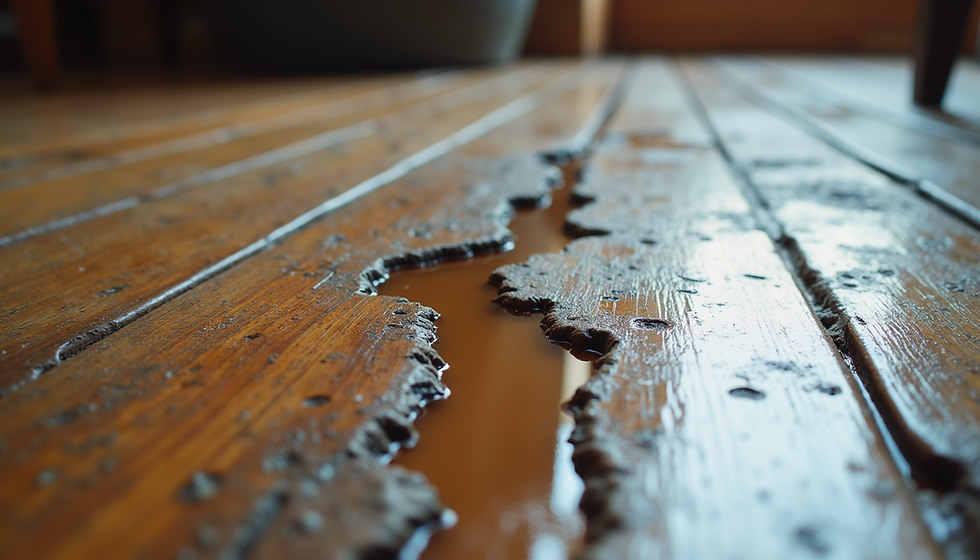
Close-up view of damaged wooden floorboards
The Role of Damage Extent and Severity
The size and severity of the damage are the biggest cost drivers. Small leaks or minor spills cost less to fix. Large floods or long-term leaks cause more damage and cost more. Restoration companies assess the damage carefully before giving a quote.
For example, water that soaks into walls and floors requires more work. It may involve removing drywall, replacing insulation, and drying out the structure. This takes time and specialized equipment. The longer the water sits, the more damage it causes.
In some cases, structural repairs are needed. This can include fixing beams or replacing flooring. These repairs increase the price significantly. The key is to act quickly to reduce damage and costs.
Is water damage restoration worth it?
You might wonder if restoration is worth the cost. The answer is yes. Restoring your property protects your investment. It prevents further damage and health risks. Ignoring water damage can lead to mold, rot, and structural problems.
Restoration also helps maintain your property’s value. If you plan to sell or rent, a well-maintained property is more attractive. Water damage left untreated can lower your property’s market value.
Professional restoration ensures the job is done right. They use the right tools and techniques to dry and repair your home. This reduces the chance of future problems. The cost of restoration is an investment in your property’s future.
How Water Type Affects Restoration Costs
ANSI/IICRC S500 (5th Edition)
Categories of Water (Contamination Level)
Category 1
Water originating from a sanitary source that does not pose a substantial risk from dermal, ingestion, or inhalation exposure.
Typical sources include:
Broken potable water supply lines
Tub or sink overflows (no contaminants)
Appliance malfunctions involving supply lines
Melting ice/snow or rainwater
Important note:Category 1 water can deteriorate to Category 2 or 3 if it remains wet long enough or contacts contaminated materials.
Category 2
Water that contains significant contamination and has the potential to cause discomfort or illness if contacted or consumed.
It may contain:
Microorganisms
Nutrients for microbial growth
Chemical or biological contaminants
Typical sources include:
Dishwasher or washing machine discharge
Toilet overflows containing urine but no feces
Sump pump failures
Seepage from hydrostatic pressure
Category 3
Grossly unsanitary water containing pathogenic agents, toxigenic substances, or other harmful contaminants that can cause severe illness or death.
Typical sources include:
Sewage backups
Floodwater from rivers or streams
Storm surge or ground surface water
Toilet overflows containing feces
Materials and Labor Impact on Costs
The materials affected by water damage influence the cost. Some materials are easier and cheaper to restore. Others need replacement.
Carpet and padding often need to be removed and replaced.
Drywall may be dried or replaced depending on damage.
Wood floors can sometimes be dried and refinished.
Furniture and personal items may be salvageable or need disposal.
Labor costs depend on the work required. Drying, cleaning, removing damaged materials, and repairs all take time. Specialized equipment like dehumidifiers and air movers add to the cost.
Choosing a restoration company with experience can save money. They know how to handle materials properly and avoid unnecessary replacements.
Final Thoughts on Planning for Water Damage Restoration
Planning for water damage restoration costs is crucial. It helps you prepare financially and make smart decisions. Remember these key points:
Act quickly to reduce damage and costs.
Understand the extent and type of water damage.
Know which materials are affected.
Choose professional restoration services.
Taking control of the situation early helps you protect your property and peace of mind. Restoration is not just a cost - it is a step toward recovery and safety.


Comments